

Machine design is a complex process that requires careful consideration of a variety of factors to ensure functionality, reliability, and safety. Even experienced designers can fall into certain pitfalls that can impact the efficiency and durability of a machine. In this post, we’ll explore five common machine design mistakes and provide practical tips on how to avoid them.
1. Ignoring the Importance of Material Selection
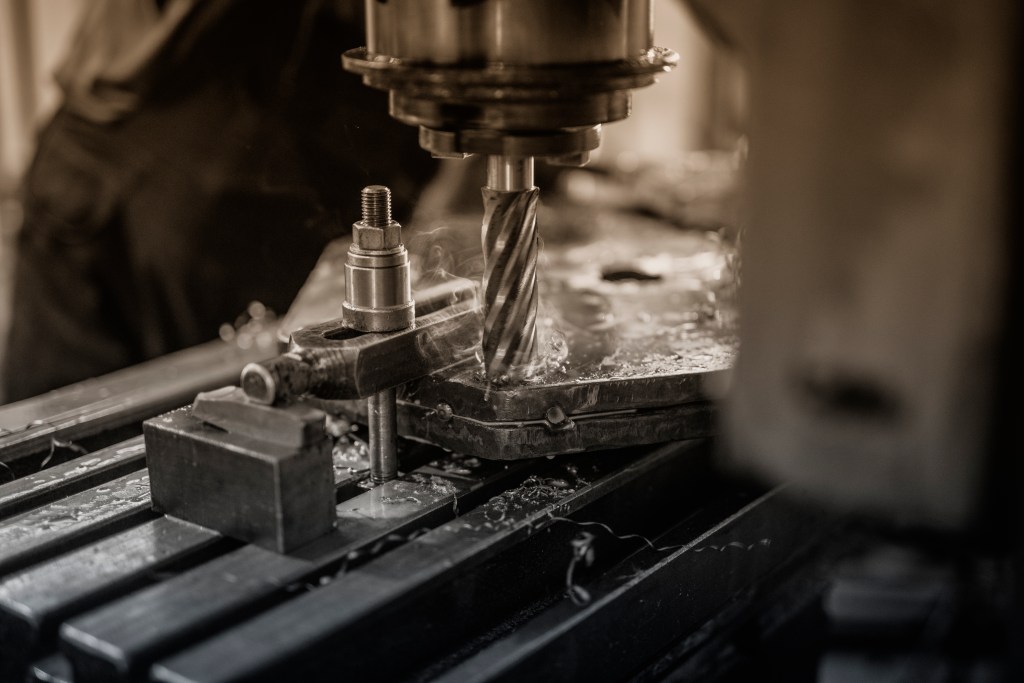
One of the most critical decisions in machine design is choosing the right materials. Using an unsuitable material for a particular application can lead to machine failures, increased wear and tear, or even safety risks.
How to Avoid This Mistake:
- Consider the application’s needs: Factor in the environment the machine will operate in (temperature, humidity, pressure, etc.), as well as the loads and stresses it will endure.
- Consult material datasheets: Review material properties such as strength, corrosion resistance, and fatigue life before making a decision.
- Perform testing: If possible, test the material under real-world conditions to verify its performance.
2. Neglecting Proper Tolerances and Fits

Designers sometimes overlook the critical role of tolerances and fits in machine performance. Incorrectly specified tolerances can lead to parts not fitting together properly, causing misalignment, excessive friction, or even complete failure.
How to Avoid This Mistake:
- Use precise tolerances: Base tolerances on the function of the part, not just on standard or general practices. Consider the type of fit required—whether it’s a loose, close, or interference fit.
- Consult engineering standards: Utilize established standards for fits and tolerances (like ISO or ANSI standards) to guide your design.
- Use simulation tools: Leverage software that simulates assembly and movement to identify potential issues before production.
3. Overlooking Maintenance and Serviceability
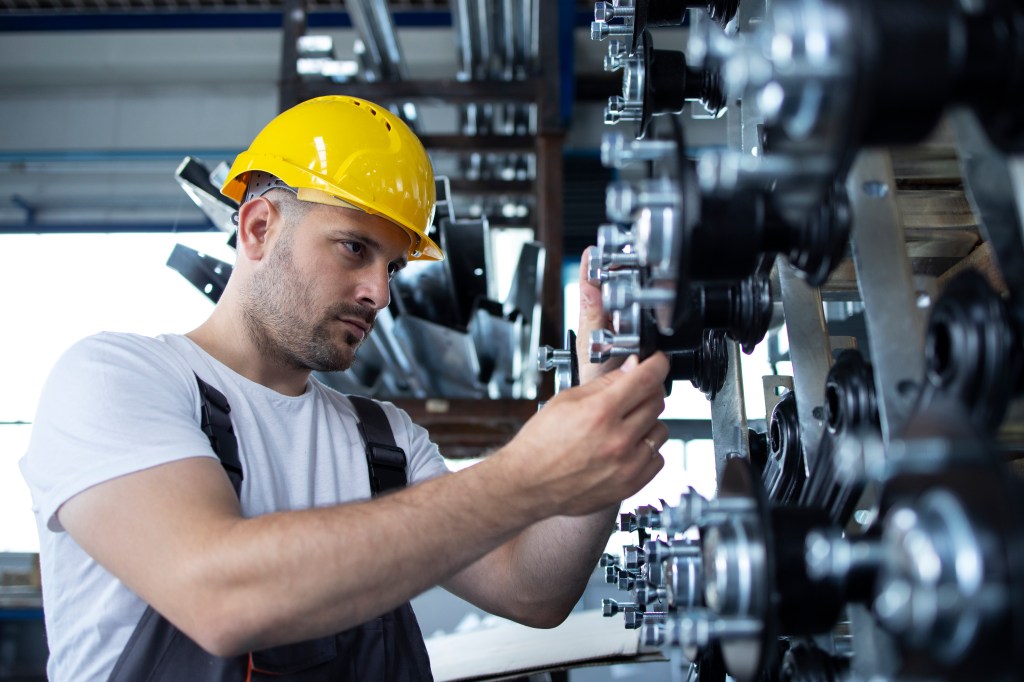
Designing a machine that works perfectly right out of the box is important, but ensuring that it can be easily maintained and serviced is equally crucial. Machines that are difficult to repair or maintain can lead to costly downtime and unhappy users.
How to Avoid This Mistake:
- Design for disassembly: Incorporate features that make it easy to access key components, such as quick-release fasteners, modular assemblies, or clear labeling.
- Plan for wear and tear: Identify high-wear components and design them for easy replacement. Avoid permanent assembly techniques when possible.
- Use accessible documentation: Provide clear, detailed maintenance manuals and diagrams for easy service and troubleshooting.
4. Skipping the Proof Check by Another Designer

It’s common for designers to finalize a machine design and skip the step of having another designer or engineer review the work. While it may feel like an extra step, this “proof check” can uncover critical issues, inconsistencies, or flaws that might have been overlooked during the initial design phase.
How to Avoid This Mistake:
- Collaborate with colleagues: Get a second opinion from a fellow designer or engineer to ensure that your design is solid and meets all requirements.
- Encourage peer reviews: Implement a culture of peer review within your design process to help catch overlooked issues and ensure the quality of your work.
- Use checklists and guidelines: Provide your team with comprehensive checklists and design guidelines to help ensure consistency and completeness in all aspects of the design.
5. Focusing Solely on Functionality, Not Safety
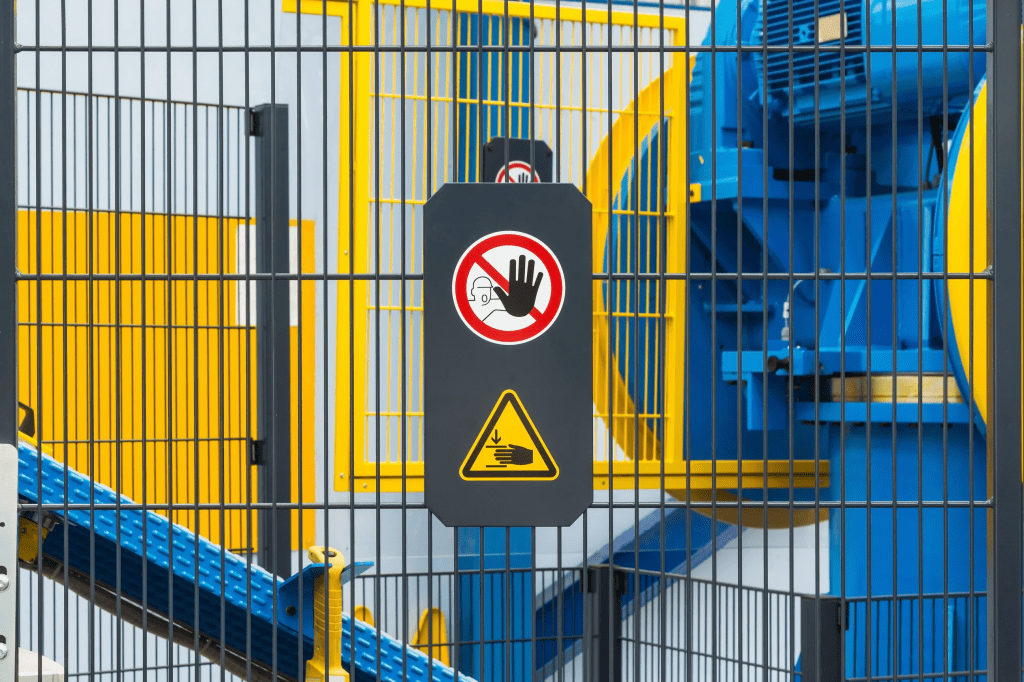
While it’s essential for machines to function effectively, safety should never be compromised in the design process. Overlooking safety features can lead to accidents, injuries, or compliance violations.
How to Avoid This Mistake:
- Design with safety in mind: Implement safeguards like emergency stop buttons, safety interlocks, and protective barriers where needed.
- Follow safety regulations: Ensure your design adheres to relevant safety standards and guidelines, such as ISO 12100 or OSHA requirements.
- Perform risk assessments: Conduct thorough risk assessments during the design phase to identify potential hazards and design out risks.
Conclusion
Avoiding common machine design mistakes can greatly enhance the performance, reliability, and longevity of your machines. By carefully selecting materials, specifying accurate tolerances, planning for maintenance, ensuring thorough design reviews, and prioritizing safety, you’ll create more efficient and durable machines that meet the needs of both users and operators. Implementing these best practices early in the design process will save time and resources, prevent costly mistakes, and ultimately lead to better-designed products.
 Industrial Machine Design & Automation
Leave a comment